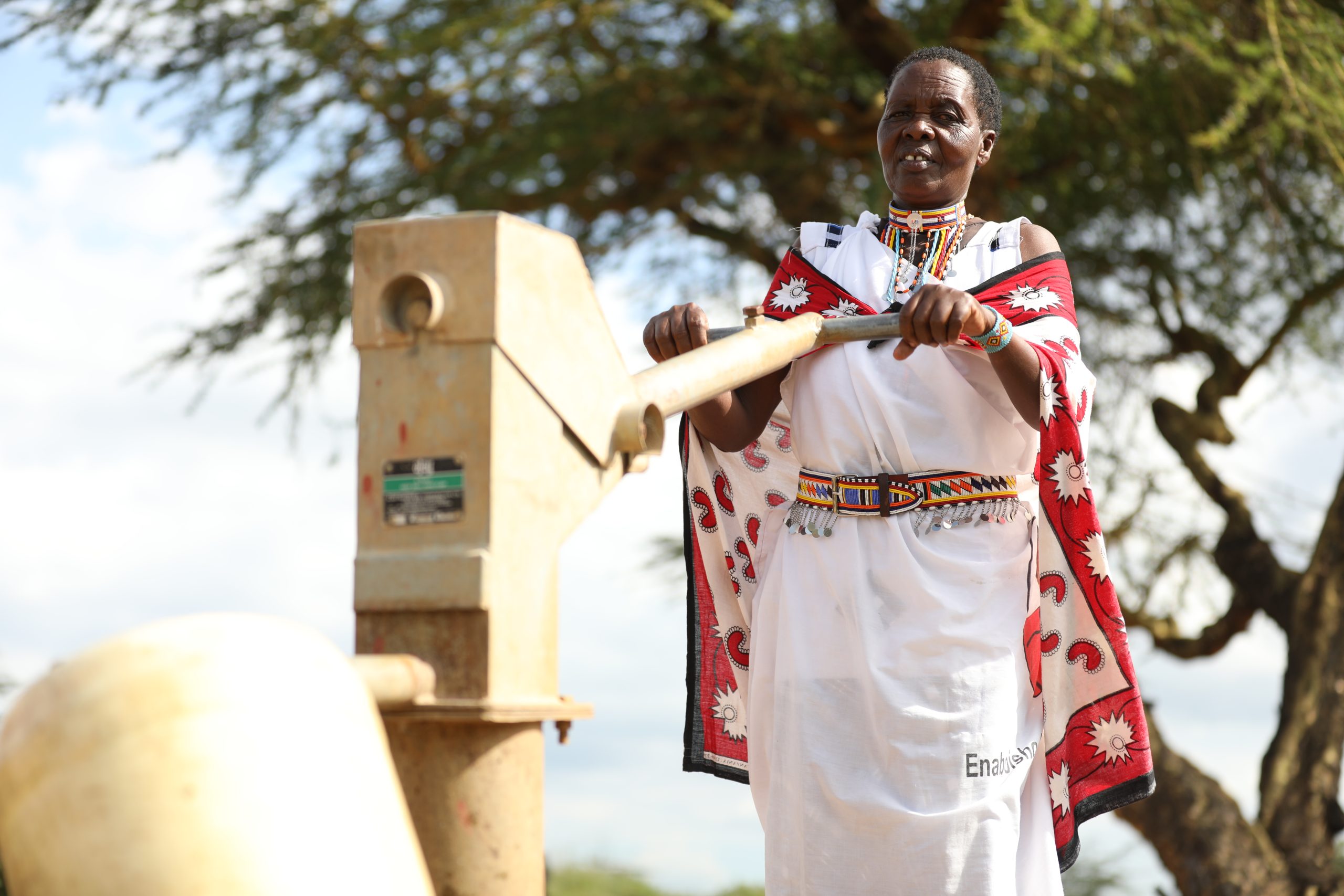
“My name is Joyce Morijo, chairlady of the Rapunye Women Group. When I look back to where we started, I see how far we have come—and I see light where there was once darkness.”
For Joyce, that light came with the first sand dam. Before its construction, life in Rapunye was marked by the daily struggle of fetching water. The community depended on a deep scoop well where only three people could draw water at a time. The land was dry and scarred with gullies; vegetation had disappeared, and hope was fading.
Everything began to change when the women’s group, together with the support of LPCT and their partners, came together to build a sand dam. At first, the idea seemed impossible. But with determination—collecting stones, bringing their hands and hearts together—the impossible turned into reality. Water began to flow again.
“The dam filled with sand and water started appearing,” Joyce recalls with a smile. “The river that was once eroded and lifeless is now rising again. The vegetation is returning, and even the paths that were impassable have become roads.”
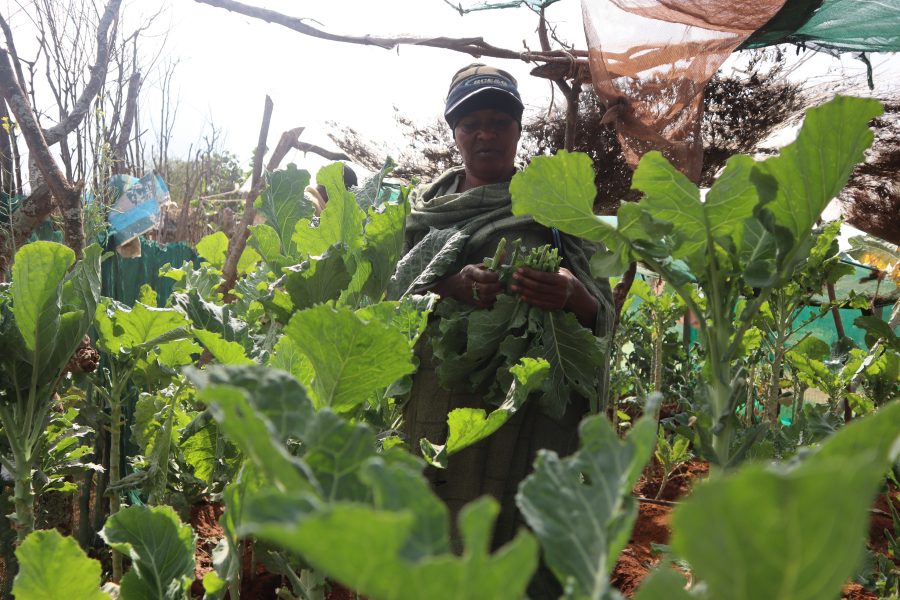
The transformation has gone beyond just water. With training and exposure visits, the women have learned new skills in food production through kitchen gardens. Families now grow vegetables at the household level, improving diets and easing the burden of buying food. Aloe plants, grown around the sand dam, are being turned into cosmetic products, creating new opportunities for income.
The sand dam has also sparked cultural revival. The Rapunye Cultural Manyatta, supported by LPCT, has become a place where traditions are celebrated and visitors welcomed. Guests who come to stay bring income to the community, creating a ripple effect of empowerment.
For Joyce, gratitude overflows. “I thank the Almighty God, the organization that brought the idea of sand dams, and the group ranch for supporting us. We have gained so much knowledge and strength. The sand dam has given us water, food, and livelihoods—and, most of all, it has given us hope.”
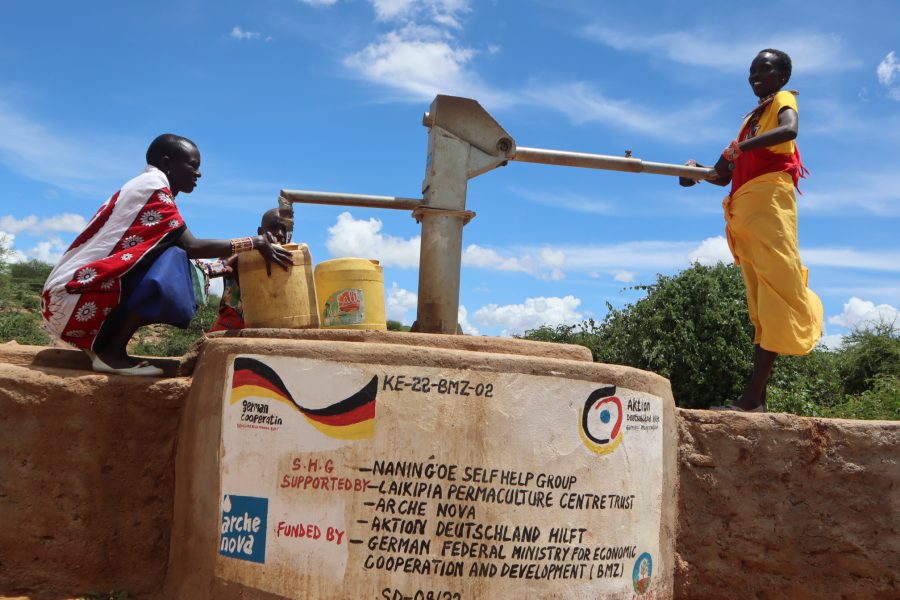
She continues to say, “The people who were living around here had a lot of challenges, but we constructed a shallow well and they can now access clean water easily from the well. We have also understood that the sand can retain a lot of water and to protect the river, our group and the leadership of the group ranch agreed that no sand harvesting will be allowed around the sand dam to safeguard the water.”